

Allegheny Portage Railroad National Historic Site preserves sections of the railroad that once carried people and goods across the Allegheny Mountains as part of Pennsylvania’s Main Line of Public Works. About 7.2 miles from a hotel in Duncansville, it combines a visitor center, historic structures and walking trails in a history-focused day trip near Altoona.
- Location: Gallitzin, Pennsylvania, in the Allegheny Mountains.
- From Duncansville: About 7.2 miles from WYE Motor Lodge Duncansville - Altoona.
- Visitor center: Open Fridays through Tuesdays, 9:00 a.m. to 5:00 p.m.
- Admission: No entrance fee or required entrance pass.
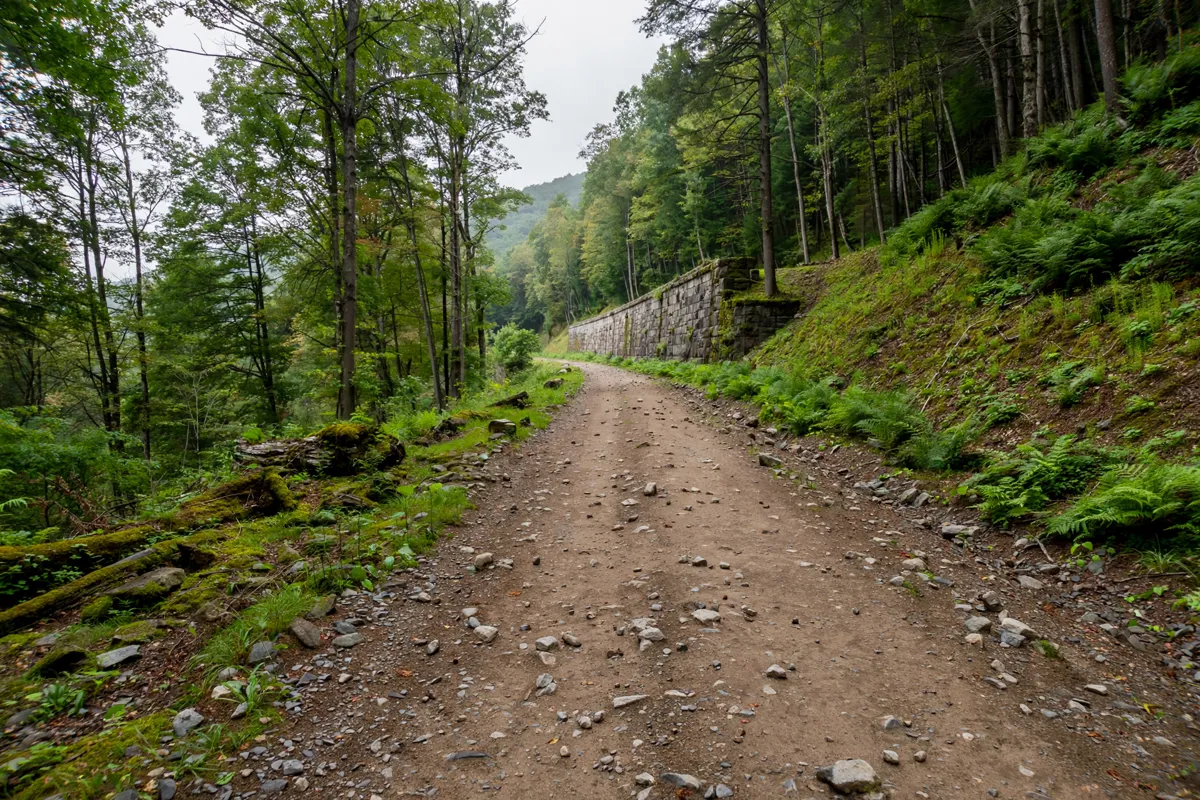
The history of the portage railroad
The Allegheny Portage Railroad linked the Hollidaysburg Canal Basin with the basin at Johnstown, carrying passengers and freight over a 36-mile route. It formed part of a larger public works network designed to connect Pennsylvania’s eastern and western regions.
Instead of relying on one continuous locomotive-powered track, the railroad used ten inclined planes: five ascending and five descending. Stationary engines and endless ropes moved rail cars up the slopes, while other stretches of the route connected the planes.
The railroad officially opened on March 18, 1834. The National Park Service says it reduced travel time between Philadelphia and Pittsburgh to four days. It operated from 1834 to 1857, when the Pennsylvania Railroad’s completed all-rail line between the cities superseded it.
That history is tangible across the park’s surviving features, from the route’s engineering structures to its historic buildings. For another railroad-focused stop in the region, Horseshoe Curve: Planning an Altoona Visit covers a different part of Altoona’s railroad story.
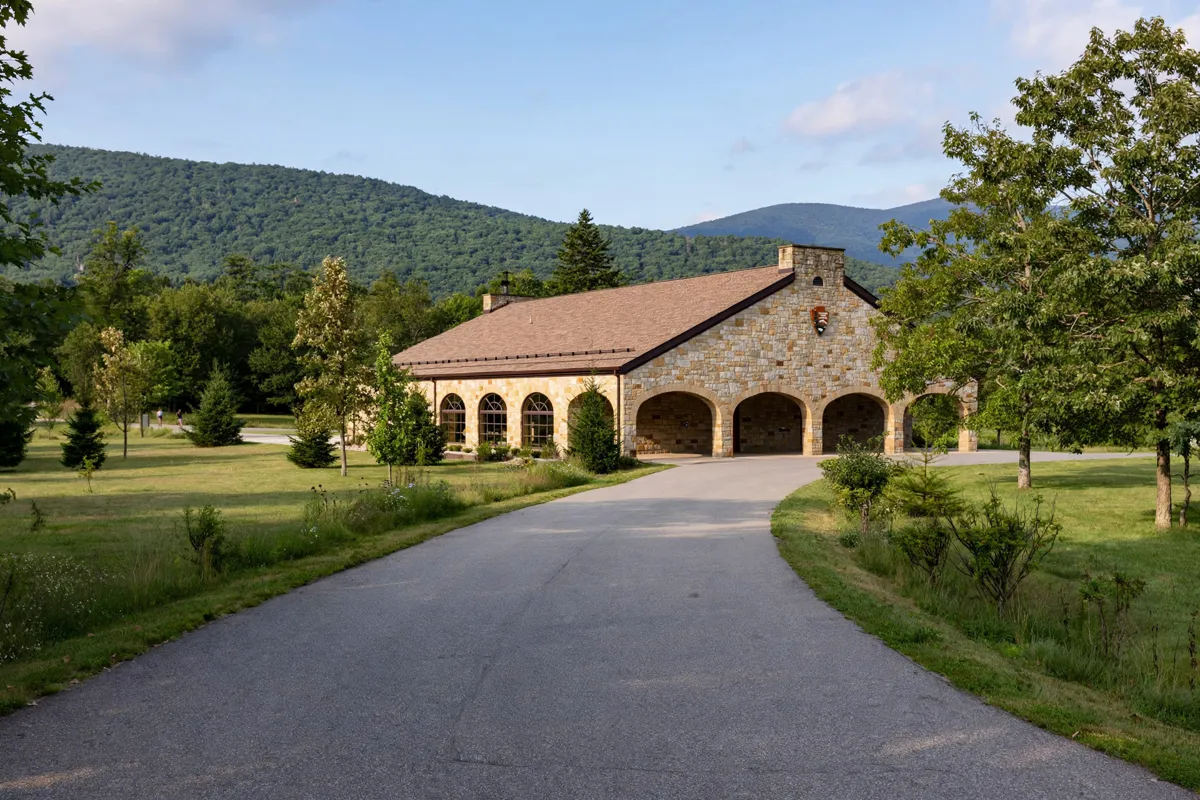
Visitor center, exhibits, and historic features
The Summit Level Visitor Center is a useful first stop for orientation, exhibits and context for the railroad’s engineering. Its 20-minute film runs on demand, and the building also has interactive exhibits, a bookstore and a passport stamp station.
The main park unit includes the visitor center, Lemon House, Engine House No. 6 Exhibit Shelter, Skew Arch Bridge, a picnic area and hiking trails. You can use the visitor center’s orientation to place these features within the route before exploring the grounds.
Park buildings also close on Thanksgiving Day, Christmas Day and New Year’s Day. Check the official site before you go for current visitor information.
Opening hours
- Monday, Tuesday and Friday to Sunday: 9 AM–5 PM
- Wednesday and Thursday: closed
Last checked November 2026. Hours can change on holidays and for special events.
To extend a railroad-themed day around Altoona, the Railroaders Memorial Museum in Altoona offers another history stop, separate from the park’s outdoor historic features.
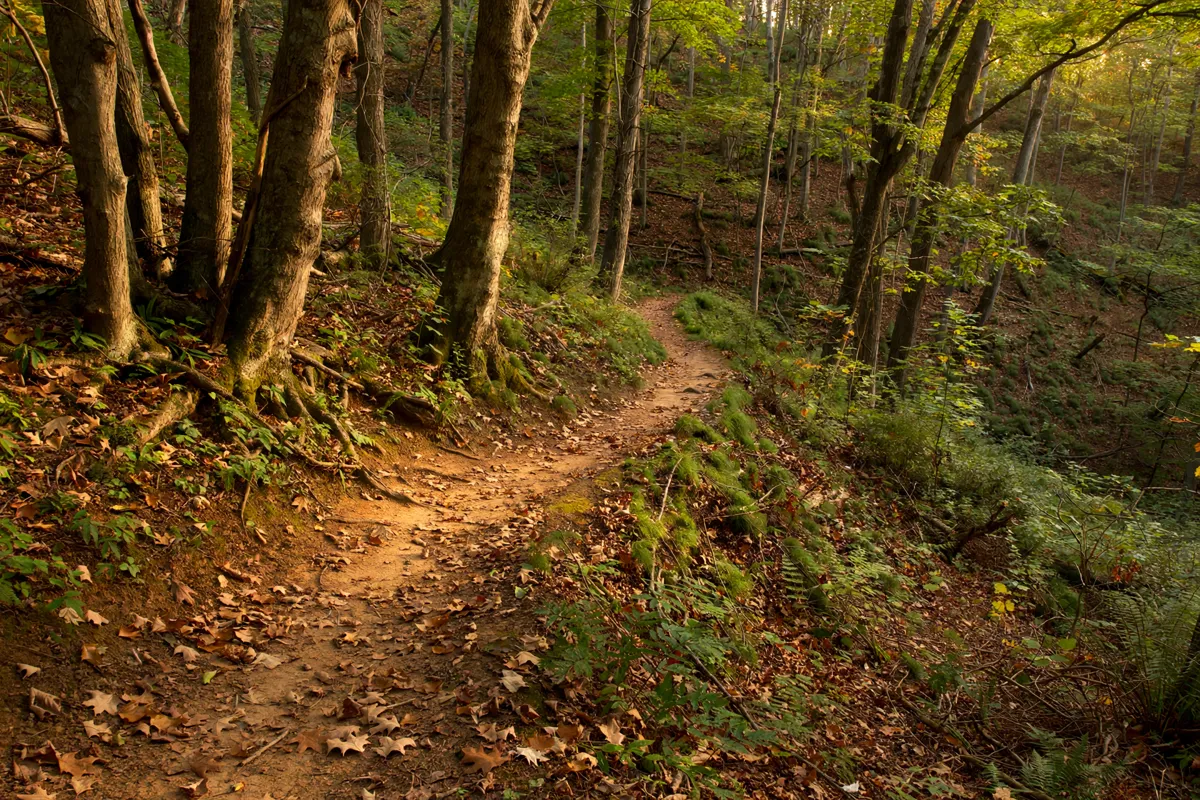
Trails, terrain, and access
Allegheny Portage Railroad National Historic Site has more than 15 miles of trails across different sections of the park. Trails are for pedestrians, except for a portion of the Incline 6 to 10 trail, where bicycles are allowed.
The Staple Bend Tunnel unit is separate from the Summit Level Visitor Center area, and its trailhead is about a 30-minute drive from the main park unit. From the trailhead in Mineral Point, the tunnel is approximately two miles along the trail, making the round trip about four miles. Bicycles are permitted on this trail as well.
The Staple Bend Tunnel trail follows the old railroad bed on a crushed-limestone surface. The National Park Service describes it as flat and meeting wheelchair gradient standards. The tunnel was finished in June 1833 and was advertised as the first railroad tunnel in the United States.
Park grounds and trails are open daily from sunrise to sunset, weather permitting. Winter trail maintenance and snow removal are not provided, so check the National Park Service’s guidance before planning a winter walk.
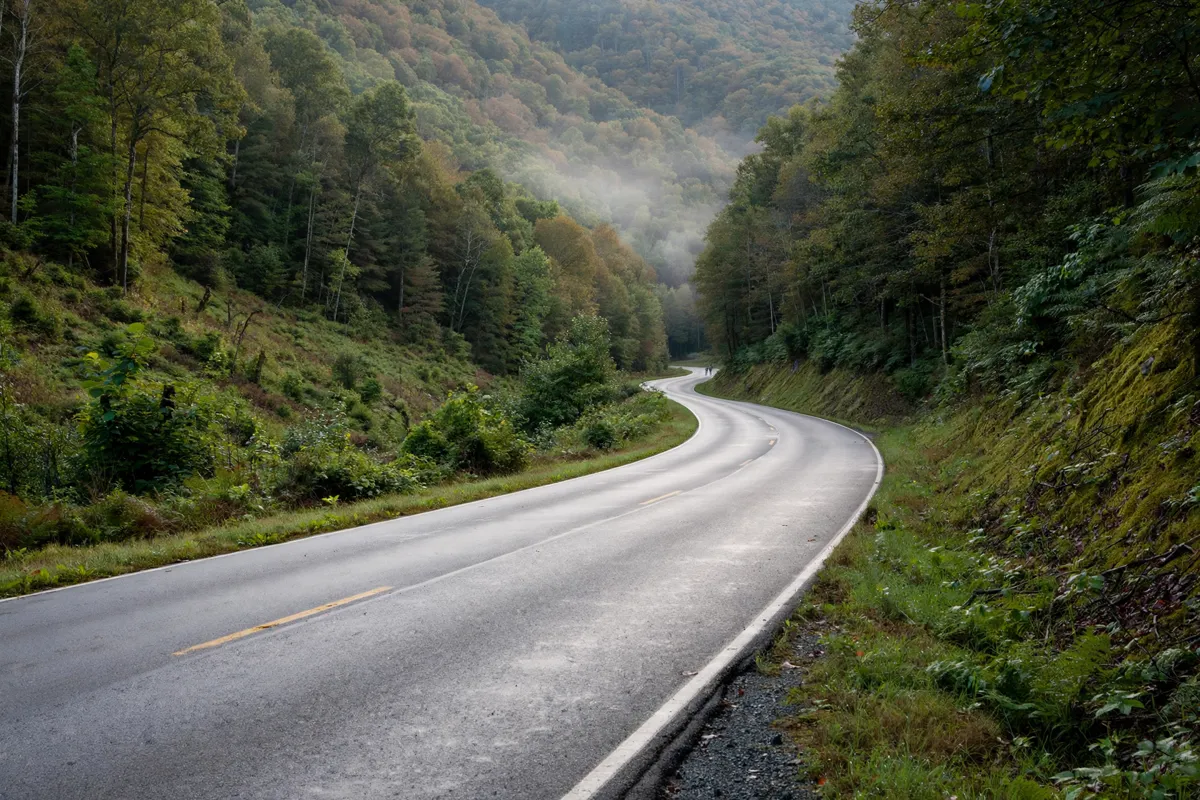
Plan the drive from Duncansville
Driving is the practical way to reach the site from Duncansville: the National Park Service says there is no public transportation to or within the park. For the main Visitor Center, follow U.S. Route 22 to the Gallitzin Exit, then turn right and follow park signs.
The Visitor Center address is 110 Federal Park Road, Gallitzin, PA 16641. GPS may direct you to Gallitzin or the picnic area rather than the main parking lot, so use the park’s driving directions as well as the address when planning your route. Cell service is spotty throughout the area.
For Staple Bend Tunnel, use the paved parking lot beside the trailhead and leave the emergency access road clear. That parking area also serves the Path of the Flood Trail.
FAQs
Is there an entrance fee at Allegheny Portage Railroad National Historic Site?
No. The site has no entrance fee and does not require an entrance pass.
When is the Summit Level Visitor Center open?
Open Friday to Tuesday; closed Wednesday and Thursday. Park buildings also close on Thanksgiving Day, Christmas Day and New Year’s Day.
Can you bike on the park trails?
Most trails are for pedestrian use. Bicycles are permitted on part of the Incline 6 to 10 trail and on the Staple Bend Tunnel trail.
Is Staple Bend Tunnel in the same area as the Visitor Center?
No. The Staple Bend Tunnel unit is separate, and its trailhead is about a 30-minute drive from the main park unit.